

Microneedling with PRP/PRF Gallery
$$MultiPurposeText$$
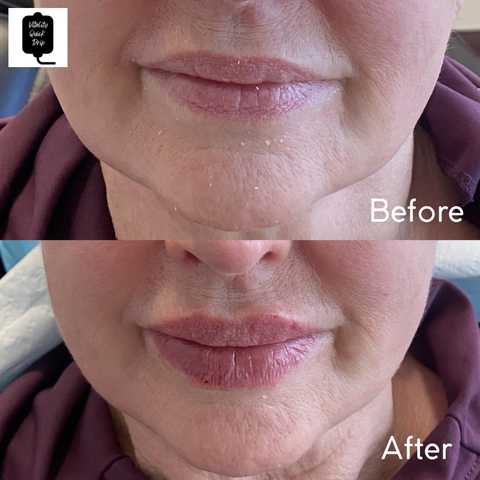
See examples of our Microneedling with PRP/PRF work and results.









What Our Clients Say
$$MultiPurposeText$$
Read testimonials from our satisfied customers

Great experience. The staff was knowledgeable, kind, and made the entire process seamless....more

Great environment and they are very professional Sharmaine is just the best ,She takes her...more

Excellent service, they care about you! Charmaine and Nataly were great at explaining ever...more

Great service
Very friendly

The experience was highly professional, and the treatment for hydration was excellent.

I've been to several IV therapy clinics over the past 10 years, and this is by far the bes...more

Frequently Asked Questions
Get answers to common questions about Microneedling with PRP/PRF.
Microneedling creates controlled micro-injuries that trigger healing; PRP/PRF—rich in growth factors—is applied or injected to amplify regeneration. Together they stimulate collagen and elastin production, improving texture, tone, scars, and fine lines over weeks as skin remodels.
Yes—because PRP/PRF uses your own blood it’s generally safe across skin types, reducing allergic risks. However certain conditions (active infections, recent isotretinoin use, bleeding disorders, pregnancy) or unrealistic expectations require consultation. A provider assessment ensures appropriate candidacy and settings.
Your provider numbs the area, draws a small blood sample to prepare PRP/PRF, then performs microneedling while applying the platelet concentrate. Expect redness, mild swelling, and pinpoint bleeding for a few days; visible improvements appear over weeks as collagen rebuilds.
Most clients benefit from a series—typically 3 sessions spaced 4–6 weeks apart—for optimal collagen remodeling. Some notice improvement after one treatment. Maintenance sessions every 6–12 months help sustain results, tailored to individual skin concerns and goals.
Side effects are typically mild—redness, swelling, bruising, and tiny scabs may occur. Most downtime is 24–72 hours. Strict sun protection and gentle skincare promote healing. Serious complications are rare when performed by trained professionals following proper protocols.
Yes—this combination improves acne scarring and uneven pigmentation by stimulating tissue remodeling and melanin regulation. Deeper or cystic scars may require adjunctive treatments. Multiple sessions yield best results, and incremental improvements appear over weeks to months as collagen reforms.