

Radiofrequency (RF) Microneedling Gallery
$$MultiPurposeText$$
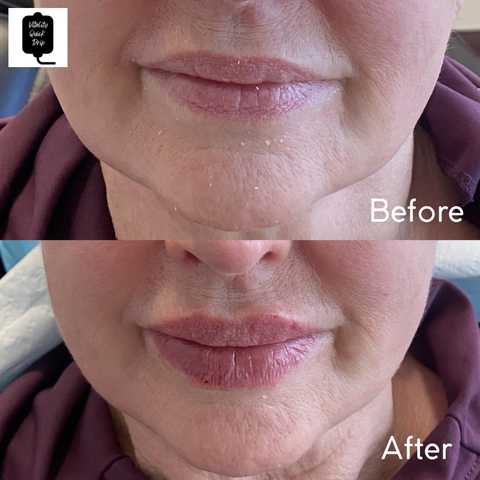
See examples of our Radiofrequency (RF) Microneedling work and results.








What Our Clients Say
$$MultiPurposeText$$
Read testimonials from our satisfied customers

Great experience. The staff was knowledgeable, kind, and made the entire process seamless....more

Great environment and they are very professional Sharmaine is just the best ,She takes her...more

Excellent service, they care about you! Charmaine and Nataly were great at explaining ever...more

Great service
Very friendly

The experience was highly professional, and the treatment for hydration was excellent.

I've been to several IV therapy clinics over the past 10 years, and this is by far the bes...more

Frequently Asked Questions
Get answers to common questions about Radiofrequency (RF) Microneedling.
RF microneedling uses tiny needles to create controlled micro-injuries while delivering radiofrequency heat into the dermis. This stimulates collagen and elastin production, tightens tissue, and triggers natural healing responses that improve texture, tone, and elasticity over weeks to months.
Most clients experience mild to moderate discomfort. We apply topical numbing cream before treatment to minimize pain. Sensations include heat and pressure during the procedure, with temporary soreness afterward managed by over-the-counter pain relief and cold compresses.
A typical course is three treatments spaced four to six weeks apart, though needs vary by skin condition and goals. Some clients require additional sessions for deeper scars; optimal results develop progressively with maintenance treatments as recommended.
Downtime is usually minimal: expect redness and swelling for two to seven days and possible micro-crusting. Most clients resume normal activities within a few days; full collagen remodeling continues for months with gradual improvement.
Common side effects include temporary redness, swelling, bruising, and minor pinpoint bleeding. Infection and scarring are rare when performed by trained providers. Following pre- and post-care instructions and disclosing medical history reduces risks.
Yes—RF microneedling is often combined with PRP, topical serums, or chemical peels to enhance results. Timing and sequencing matter; your provider will design a safe, personalized plan and advise appropriate intervals between procedures.