


Med Consultation & Guidance Gallery
$$MultiPurposeText$$
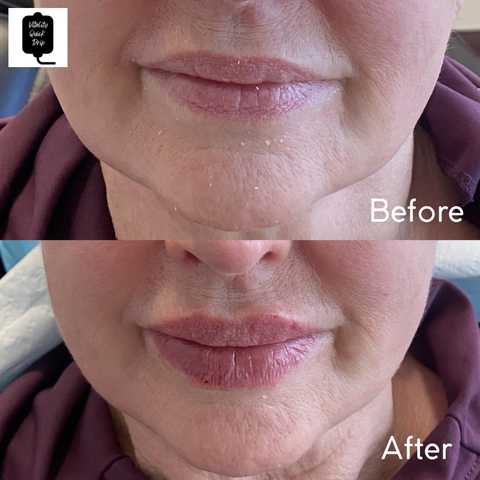
See examples of our Med Consultation & Guidance work and results.











What Our Clients Say
$$MultiPurposeText$$
Read testimonials from our satisfied customers

Great environment and they are very professional Sharmaine is just the best ,She takes her...more

Excellent service, they care about you! Charmaine and Nataly were great at explaining ever...more

Great service
Very friendly

The experience was highly professional, and the treatment for hydration was excellent.

I've been to several IV therapy clinics over the past 10 years, and this is by far the bes...more

Great experience and feel 100% better!

Frequently Asked Questions
Get answers to common questions about Med Consultation & Guidance.
During your initial visit, a provider reviews medical history, performs body composition analysis, orders advanced labs, and discusses goals. Results inform a personalized weight-loss plan including hormone assessment, nutrition, supplements, and follow-up scheduling for safe, measurable progress.
Labs identify metabolic, hormonal, and nutrient issues that impede weight loss, while body composition distinguishes fat versus lean mass. Combined, these metrics let providers tailor diet, medications, and supplements to correct deficits and optimize fat loss while preserving muscle.
Most adults can safely undergo assessment, but providers review medical history and current medications to identify contraindications. Certain conditions may require specialist input or adjusted protocols. Your safety plan is individualized, with monitoring and modifications as needed throughout treatment.
Initial improvements in energy or appetite may appear within weeks, while measurable weight and body composition changes typically occur over months. Results vary based on baseline health, adherence, and interventions; your provider sets realistic milestones and adjusts the plan for steady, sustainable progress.
Coverage varies by plan and whether services are deemed medically necessary. Some insurers cover diagnostic labs and physician consultations; others consider weight-management services elective. We provide documentation and billing codes to assist claims and can discuss payment options if coverage is limited.
Follow-ups are typically scheduled every 2 to 8 weeks initially, with labs repeated as necessary to assess therapy response. Frequency depends on treatment intensity, lab abnormalities, and goals; as you stabilize, visits usually become less frequent with continued periodic monitoring.